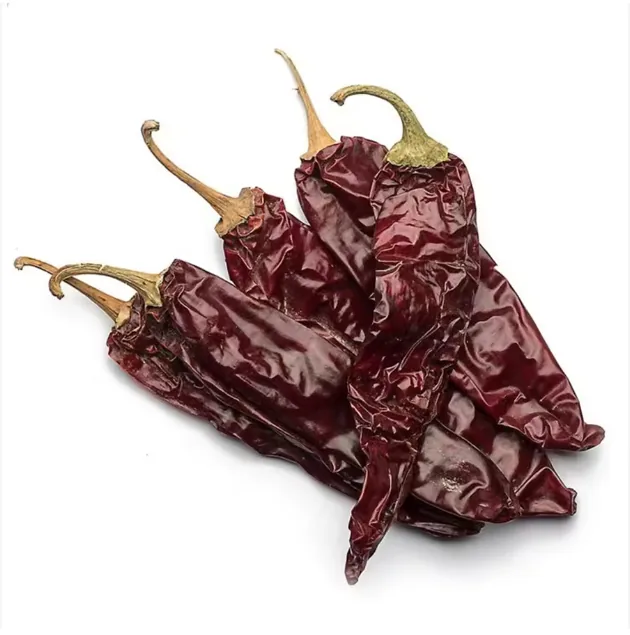
What is SHU?
SHU stands for Scoville Heat Units. In chili purchasing, it is used to compare the pungency level of whole dried chili, chili flakes and chili powder so the buyer can keep heat performance consistent across samples and repeat orders.
SHU should not be treated as a standalone buying parameter. A chili ingredient can be high in heat but moderate in color, or strong in color but low in heat. For most industrial buyers, SHU works best when specified together with ASTA color value, mesh size, moisture and product format.
Reference SHU ranges for chili ingredients
| Product | Reference SHU | Reference ASTA | Common form |
|---|---|---|---|
| Sweet Red Chili | ≤1,000 SHU | 120-180 ASTA | Whole chili |
| Indian Chili | 30,000-80,000 SHU | 50-100 ASTA | Whole chili |
| Chaotian Chili | 50,000-100,000 SHU | 80-120 ASTA | Whole chili |
| Chili Flakes | 20,000-40,000 SHU | 80-120 ASTA | 5-8 mesh |
| Chili Flakes | 30,000-60,000 SHU | 100-140 ASTA | 8-12 mesh |
| Color-focused Chili Powder | ≤5,000 SHU | 120-180 ASTA | 40-60 mesh |
| Hot Chili Powder | 20,000-50,000 SHU | 80-120 ASTA | 60-80 mesh |
How to specify SHU in an RFQ
Use a range that fits production reality
A target such as 30,000-60,000 SHU is usually more practical than asking for one exact number. Natural raw material varies by variety, crop season and processing conditions, so a defined range helps both sides judge whether a batch is acceptable.
Connect heat level to the application
A sauce factory may need visible flakes with moderate heat. A seasoning brand may want strong pungency but smaller particles. A color-focused powder buyer may require low SHU and higher ASTA. Sharing the finished product use helps the supplier recommend the right starting sample.
Confirm the approved sample and batch report
Buyer teams should approve a sample before bulk order, then request a COA or test report that links the SHU result to the shipped batch. This is especially important for repeat orders where heat consistency affects customer complaints or formula performance.
Why heat perception can vary
- Different chili varieties naturally carry different pungency ranges.
- Seed ratio, stem removal and crushing level can affect perceived heat.
- Particle size changes how quickly heat appears in sauces, blends or finished foods.
- Oil, salt, sugar, vinegar and cooking process can change perceived pungency in the final formula.
- Batch moisture and storage conditions can influence aroma, color and sensory performance.
SHU buying checklist
- Target SHU range and acceptable tolerance.
- Product form: whole dried chili, flakes or powder.
- Target ASTA color value range.
- Mesh size or particle size expectation.
- Destination market and required test items.
- Sample approval process and retained sample reference.
Related products
Compare whole dried chili varieties when heat starts from raw material selection. For processed ingredients, review chili flakes specs and chili powder specs before sending an RFQ.